The most sacred time in the Islamic year is characterised by fasting during Ramadan, but when we delve deeper into the history and traditions of this period, we find it is a time filled with joy, blessings, and so much more.
What is Ramadan?

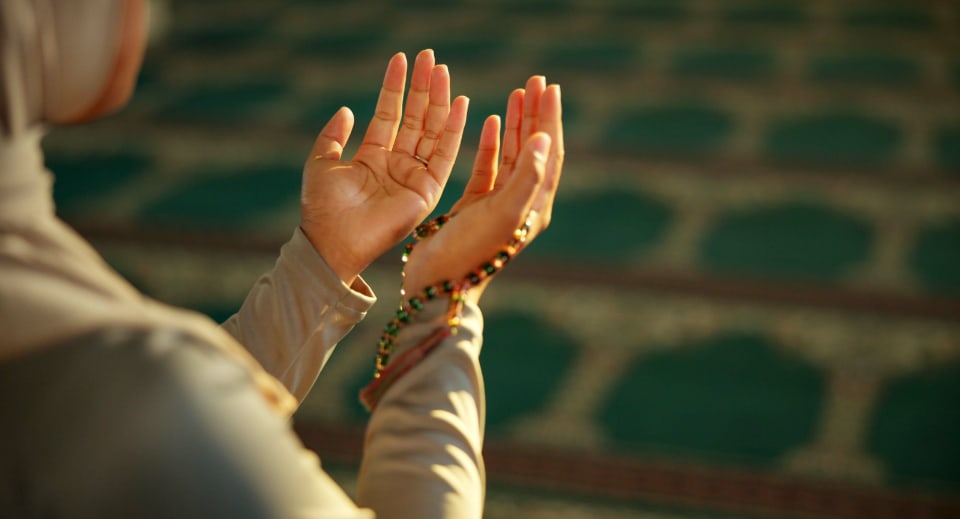
The Holy Month marks the time Allah revealed the first chapters of the Qu’ran to the Prophet Mohammed on a night known as Laylat al-Qadr, which is Arabic for The Night of Power. Throughout the month, Muslims abstain from eating and drinking, as well as smoking and using bad language from sunrise to sunset. It’s a time of sacrifice, discipline, and reflection, and even those who are exempt from fasting (including the ill or frail, children, the elderly and pregnant women), use it as a time to draw near to God, to pray and to care for the poor and needy.
The fast, or “sawm”, is one of the five pillars of Islam and reminds Muslims of their reliance on God for sustenance; the whole experience creates a little space and time in modern, busy lives to focus on prayer, reading the Qu’ran and showing compassion to those who need it.
When is Ramadan?
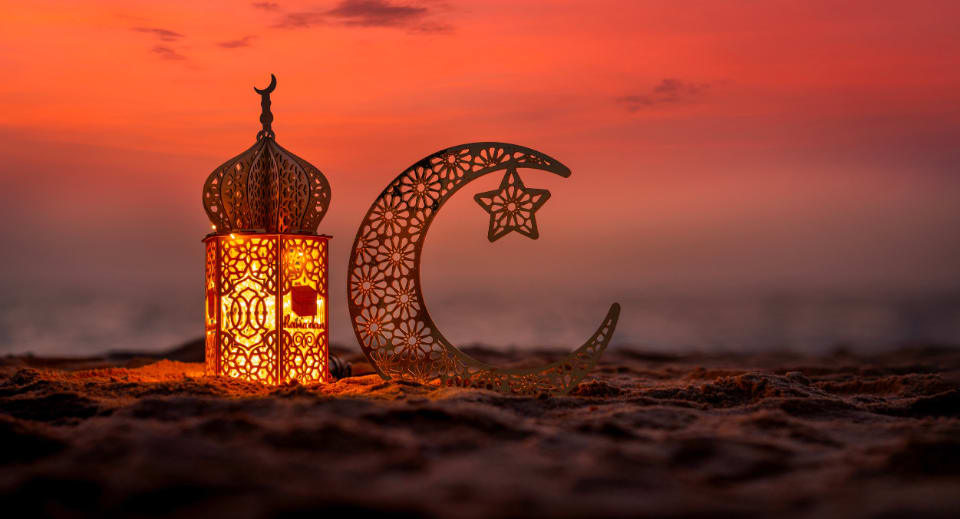
Ramadan starts from the first crescent moon on the ninth month in the lunar calendar (which is often in March in the Gregorian calendar). The UAE, along with many other Muslim countries follows the official announcement from the moon-sighting committee at Mecca in Saudi Arabia.
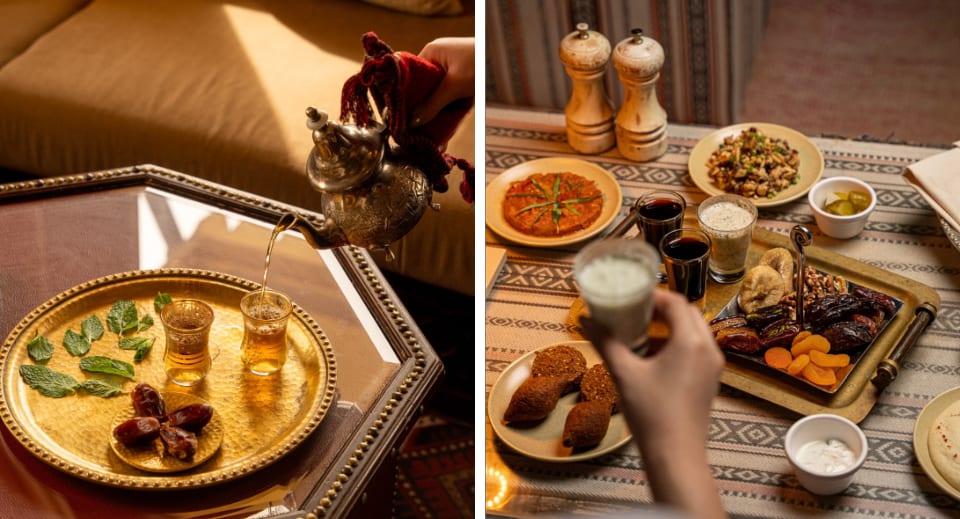
Every morning before sunrise, devotees wake early for a light meal known as suhoor. Then, it’s business as usual throughout the day, as Muslims carry out their normal work or daily duties. After sunset, the fast is broken with iftar: something light to start (in the United Arab Emirates, it’s usually dates and water), before evening prayers and a heartier meal, which is often shared with family and friends.
Eid al-Fitr: The celebration of breaking the fast
The conclusion of Ramadan is marked by one of the most significant celebrations in the Islamic calendar: Eid al-Fitr, or 'Festival of Breaking the Fast'. This joyous occasion begins with the sighting of the new moon, signalling the end of Ramadan and the start of Shawwal, the tenth month of the Islamic calendar.
Eid celebrations typically begin with a special morning prayer called Salat al-Eid, performed in congregation at mosques or in open spaces. Before these prayers, Muslims pay Zakat al-Fitr, a charitable donation to help the less fortunate share in the festivities. Following prayers, families and friends gather to exchange gifts, visit relatives, and enjoy festive meals.
Celebrating Ramadan with Anantara
At Anantara properties across the United Arab Emirates, from
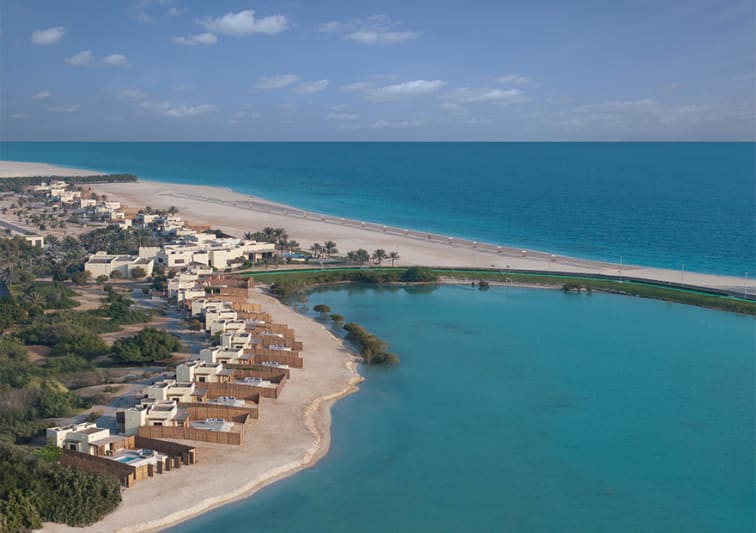
Sir Bani Yas Island to
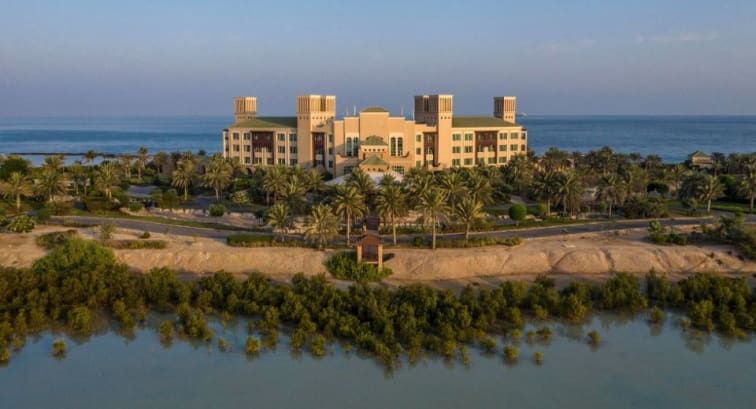
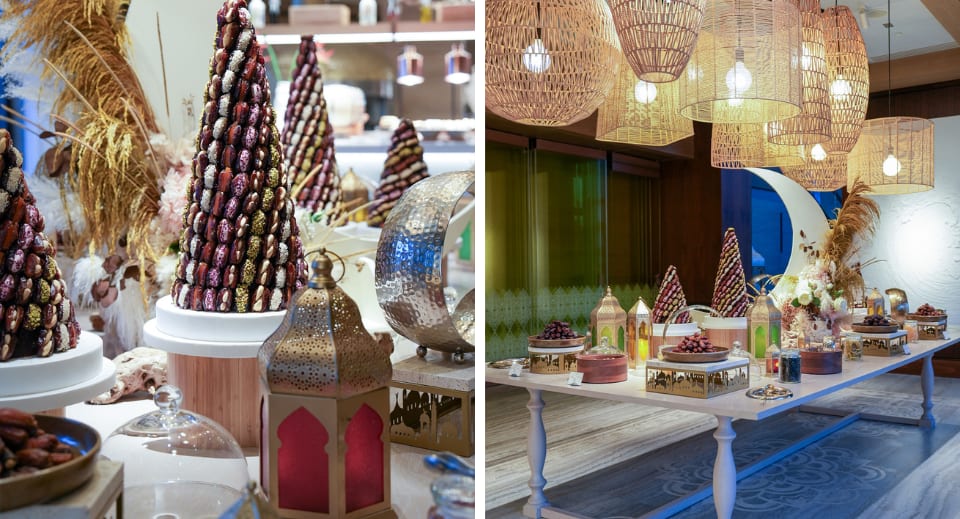
Anantara Mina Ras Al Khaimah Resort, the Holy Month is a special time and the hotel teams take great pleasure in creating a peaceful atmosphere for guests to come together to enjoy suhoor before dawn and at nightfall for iftar. As they share delicious traditional dishes, the true spirit of The Holy Month is plain to see.

 At Anantara properties across the United Arab Emirates, from