Many of Anantara's resorts sit in places where the animals were there first. From the forested hills of central Bali to the banks of the Zambezi, each property shares its surroundings with wildlife, and several play an active part in wildlife conservation close to home. Some of these animals are endangered species with dedicated programmes behind them. Others have simply become part of daily life.
Bali Starlings Take Flight in Payangan

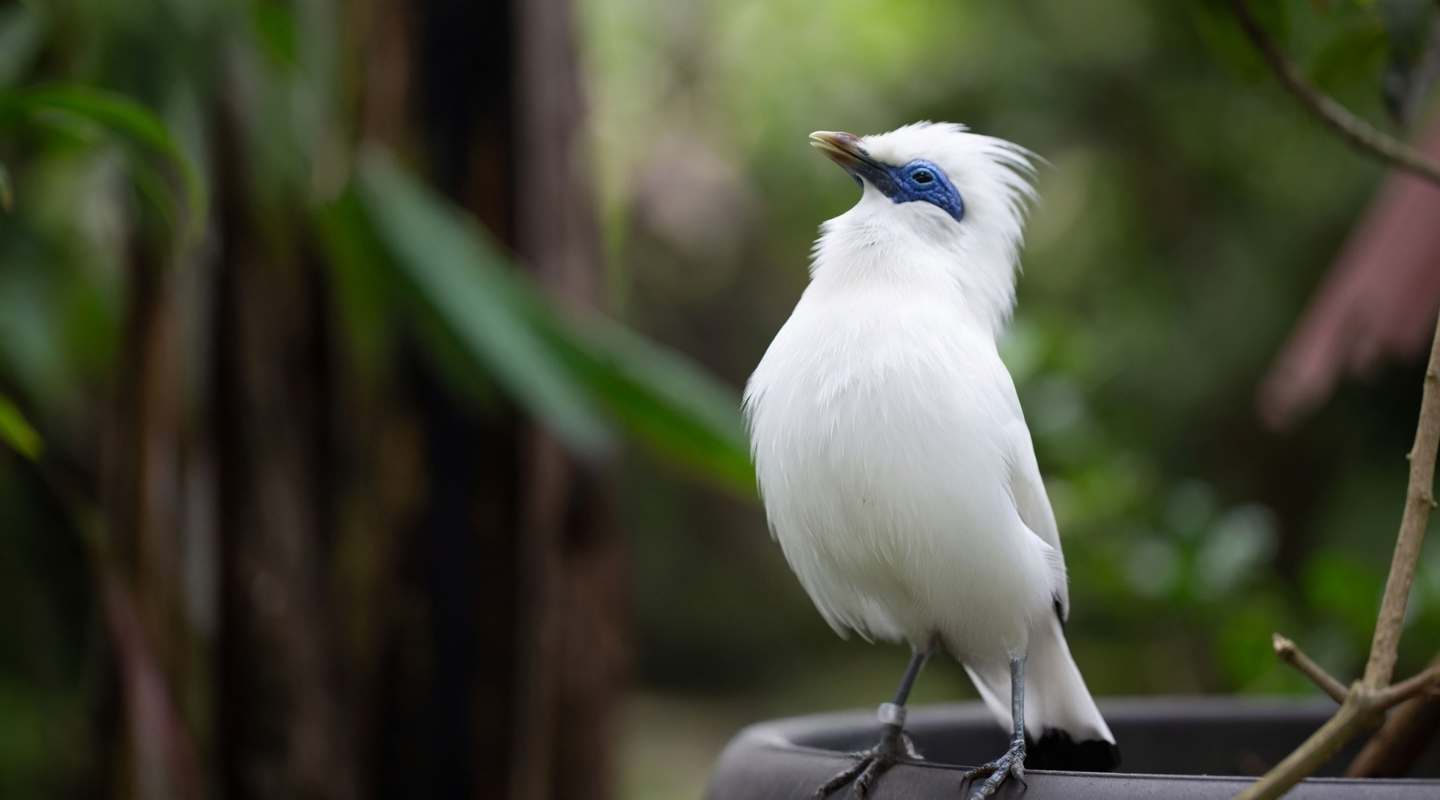
The Bali starling is easy to recognise and very hard to find. Its feathers are almost entirely white, set off by bright blue skin around each eye, and it lives nowhere else in the world. Poaching for the caged-bird trade pushed the species to the edge, and it remains endangered today.
In the jungle around Anantara Ubud Bali Resort in Payangan, a programme called Where Harmony Takes Flight is helping to return the birds to the wild. Made Warnata, the resort's Director of Spa, Wellness and Recreation, created it with conservation partners including Yayasan KEHATI, Indonesia's foundation for biodiversity. Pairs of starlings are cared for under expert supervision before a gradual release, which is planned carefully because the birds bond for life. The programme runs under Anantara's Dollar for Deeds initiative.
Bath Time With Chokdee and Boonma
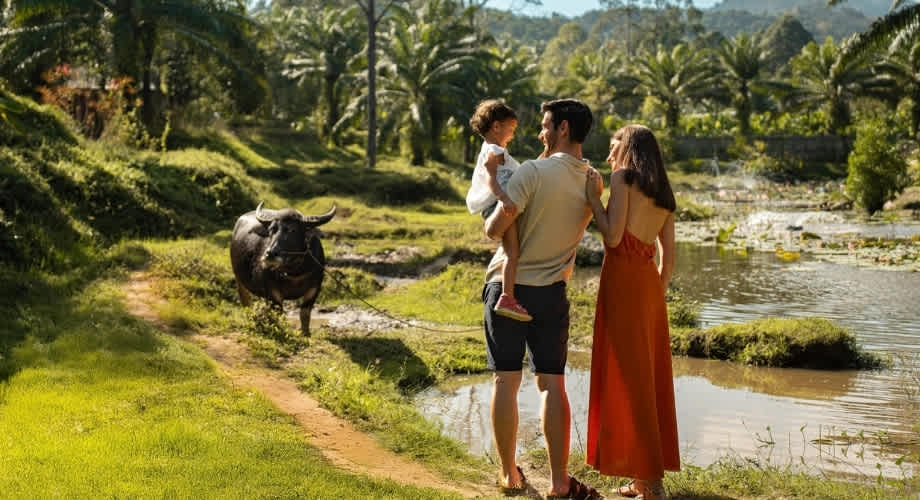
Some residents play a gentler role. At Anantara Koh Yao Yai Resort & Villas, two water buffalo called Chokdee and Boonma live in the resort's organic garden. Their names speak of good luck and merit in Thai.
Water buffalo have worked Thailand's rice paddies for generations, preparing the soil for planting. Guests who join the morning buffalo care session help feed and shower the pair while learning about their place in rural Thai life.
On Patrol With Zimbabwe's Rhino Guardians
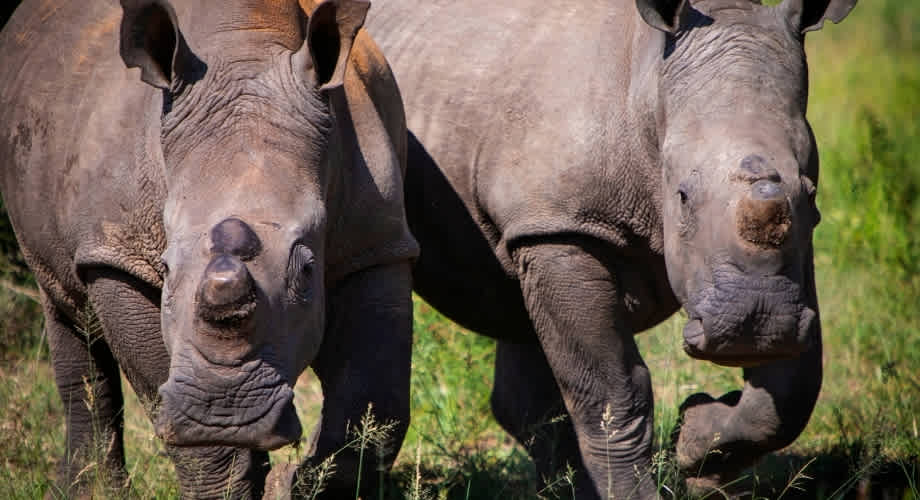
Every day before sunrise, Reserve Manager Picket Chabwedzeka and his team set out across the Victoria Falls Private Game Reserve to track the black rhinos that live there. The reserve surrounds Anantara Stanley & Livingstone Victoria Falls Hotel and has been an Intensive Protection Zone since 2006.
The stakes are high. Poaching destroyed an estimated 96% of Africa's black rhinos between 1970 and 1990. The reserve has also welcomed its first white rhinos, moved there with the Zimbabwe Parks and Wildlife Management Authority as part of the country's National Rhino Strategy. Guests can join the effort on the private Rhino Guardian Game Drive, which includes tracking inside the protection zone and a briefing with the Anti-Poaching Unit. Part of every booking goes directly to wildlife conservation on the reserve.
Sea Turtles Return to the Shores of Salalah
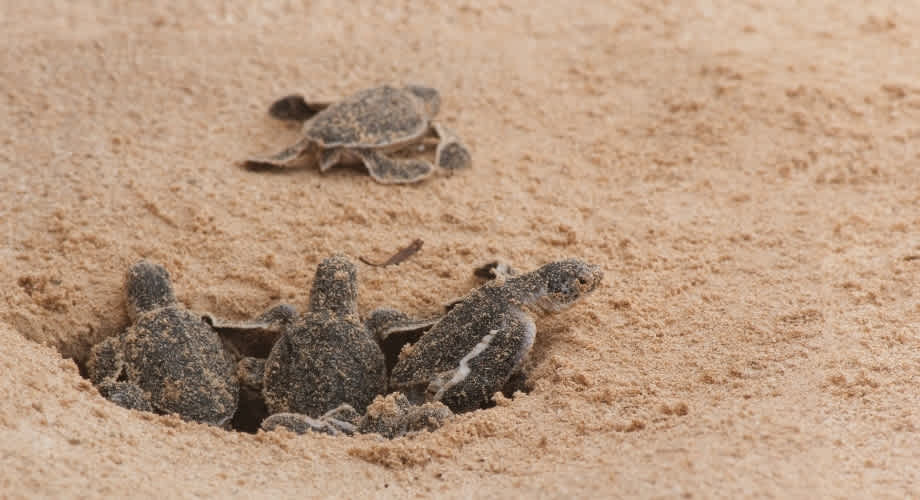
Salalah is one of the few places in Oman with two turtle nesting seasons each year, and the beach at Al Baleed Resort Salalah by Anantara is part of that story. The resort works with the Environment Society of Oman and Oman's Environment Authority to protect the nests that appear on its sand.
When an olive ridley turtle comes ashore to lay her eggs, the Environment Authority inspects the site and secures it until the eggs hatch. The resort has also seen hatchlings emerge from their nest and make their way towards the sea. Each protected nest is part of the resort's ongoing wildlife conservation work along this coast.
Zebras by the Pool on the Zambezi
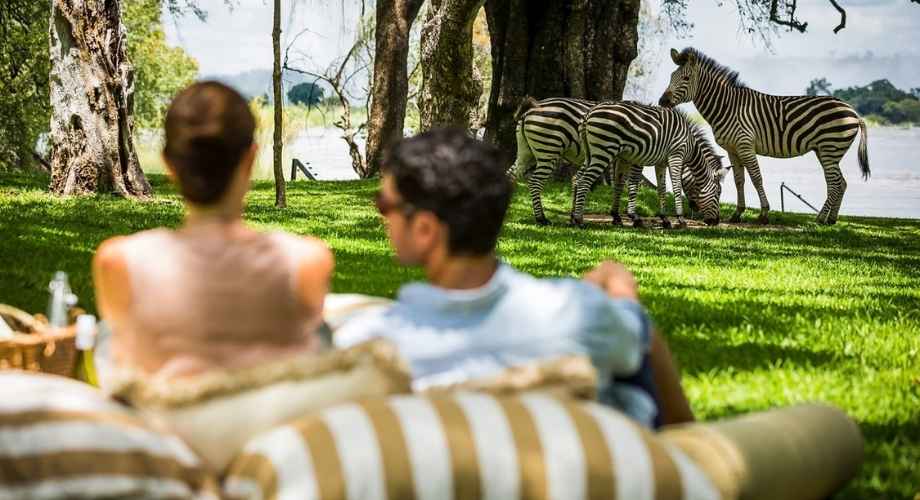
Zebras and other wildlife roam freely across the manicured grounds of The Royal Livingstone Victoria Falls Zambia Hotel by Anantara, which sits within Mosi-oa-Tunya National Park on the Zambian bank of the Zambezi. For guests, that means close encounters right outside their rooms, with zebras grazing on the lawns in front of the river.
Some are bold enough to wander into the lobby itself. Others amble past the pool while guests swim or cross the path on the way to breakfast. The falls themselves are a short stroll away.
A Second Chance for Sri Lanka's Orphaned Elephants
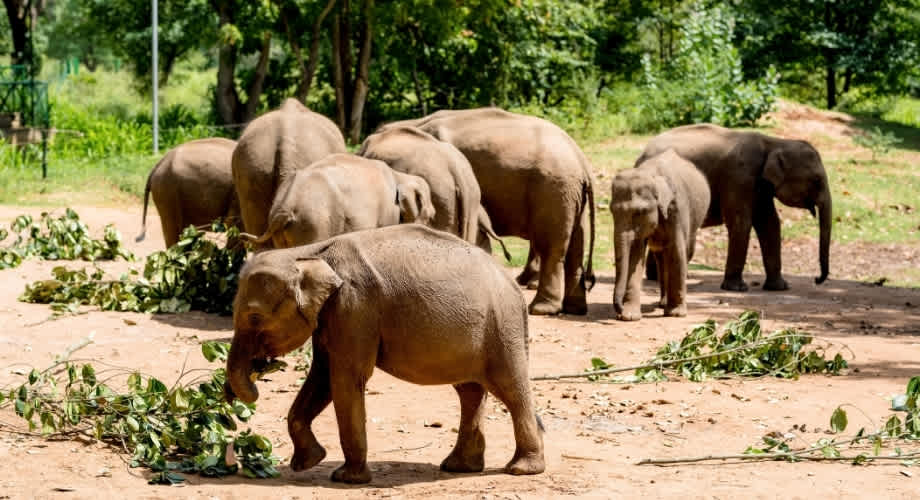
The Elephant Transit Home in Udawalawe National Park raises orphaned baby elephants until they can survive alone. Contact with people is kept to a minimum so the calves keep their wild instincts, and after four to five years they are released back into the wild. It was the first centre of its kind in Asia.
Anantara Kalutara Resort has an ongoing wildlife conservation partnership with the centre. When its veterinary surgeon, Dr Malaka Abeywardana, asked for an ultrasound machine to improve care for injured elephants, the resort provided one through Dollar for Deeds, matching every guest donation. Further fundraising has supported medical equipment, monthly care for calves and a disease control project.
At each of these resorts, the wildlife is part of the stay. Guests can spend a morning in the garden with Chokdee and Boonma or a few hours tracking rhinos with the reserve team, and see what wildlife conservation looks like up close.